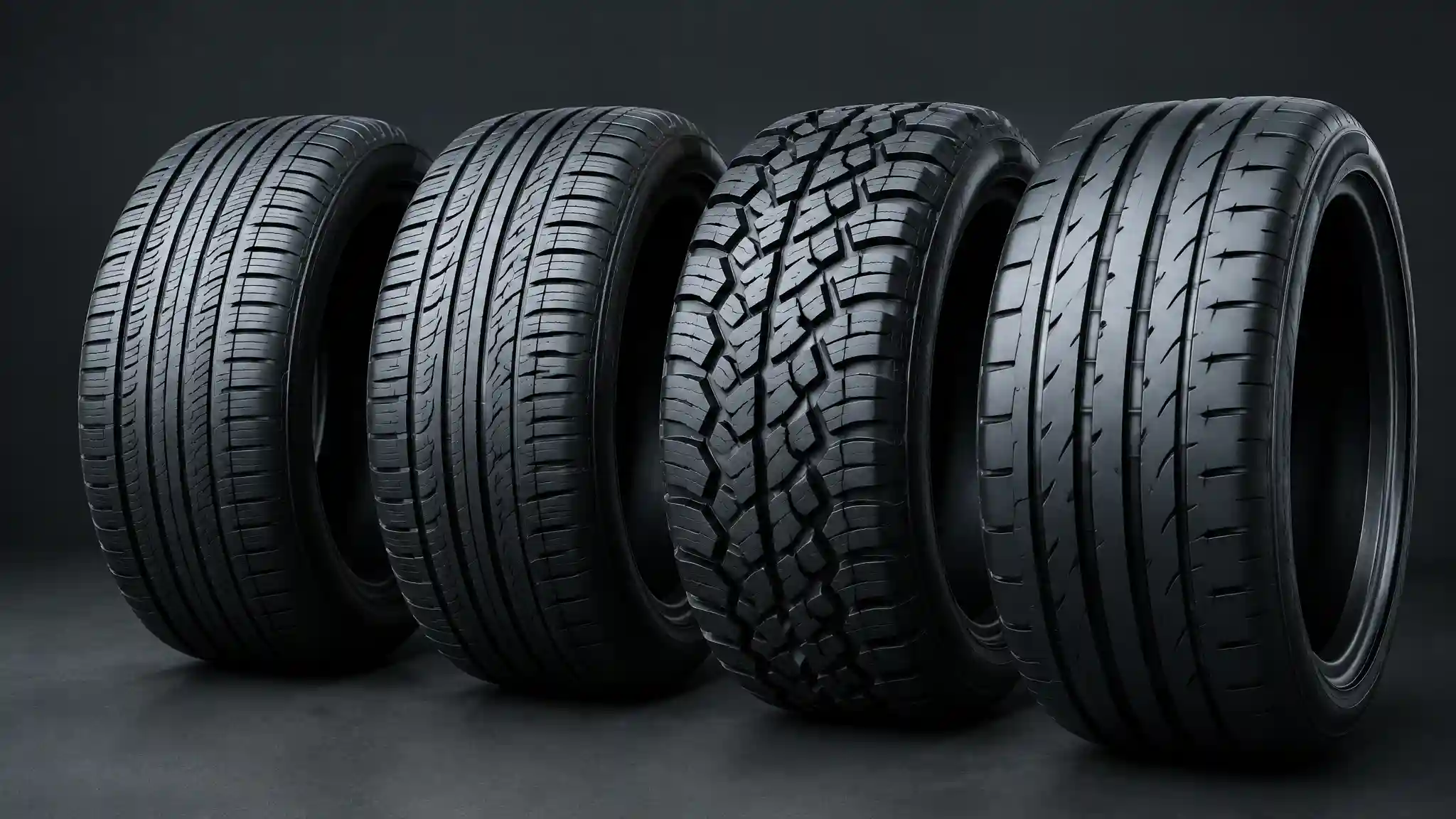
Electric vehicles place distinct demands on rubber. Battery packs add several hundred kilograms of kerb weight, instant torque accelerates tread wear, and the absence of engine noise exposes road roar. Yet the replacement market does not divide neatly into "EV tyres" and "regular tyres". A more useful lens is a four-tier structure that separates genuine engineering value from branding premiums, letting operators match spend to duty cycle.
Tier | Example Lines | Typical UK Price (18–19in) | EU Fuel / Wet Grip | Load Construction | EV-Specific Features | Best Fit |
|---|---|---|---|---|---|---|
Category 1: Bespoke Premium EV Flagships | Michelin Pilot Sport EV, Pirelli P Zero Elect, Hankook iON evo | £160–£300+ | Typically A–B / A–B | XL or HL (High Load) casings | Acoustic foam, EV-tuned compound, OE homologation marks | Range-critical and premium OEM fitments |
Category 2: Standard Premium Performance | Michelin Pilot Sport 5, Continental PremiumContact 7, Bridgestone Potenza Sport | £130–£220 | Typically B–C / A | XL widely available | Strong grip; acoustic foam only on selected sizes | High-torque EVs where handling is the priority |
Category 3: Established Mid-Range XL | Hankook Ventus Prime 4, Kumho Ecsta PS71 | £80–£130 | Typically B–C / A–B | Certified XL reinforcement | Competitive wet braking; no EV branding surcharge | Fleets and private drivers optimising cost per mile |
Category 4: Budget Performance XL | iLink L-Zeal 56 | £50–£80 | C–D / B–C | Reinforced XL sidewall | None: no acoustic foam or range-optimised compound | Lowest capex; low-mileage or end-of-lease vehicles |
Category 1 flagships justify their cost through acoustic foam inserts, low-hysteresis compounds and OEM homologation. Category 2 standard premium lines deliver elite grip but rarely optimise for range or cabin noise across every size. For most buyers, Category 3 is the analytical sweet spot: at £80 to £130, the Hankook Ventus Prime 4 and Kumho Ecsta PS71 provide full legal structural reinforcement through XL load ratings and highly competitive wet-grip profiles, without the surcharge attached to EV-branded sidewalls.
Category 4 is represented by the iLink L-Zeal 56. Its EU label typically sits at C to D for fuel efficiency and B to C for wet grip, and XL sizes use a reinforced sidewall construction. When the load index meets or exceeds the vehicle's placard requirement, it carries heavy EV weights legally. What it lacks is any noise attenuation or range-optimised compound, so drivers should expect more cabin noise and a measurable reduction in miles per kWh.
The decision is ultimately a total cost of ownership calculation. High-mileage fleets recover premium tyre costs through range and wear life, while short-holding or low-mileage assets can rationally choose Category 3 or 4. Whatever the tier, always confirm the load index, speed rating and XL marking against the manufacturer's specification.