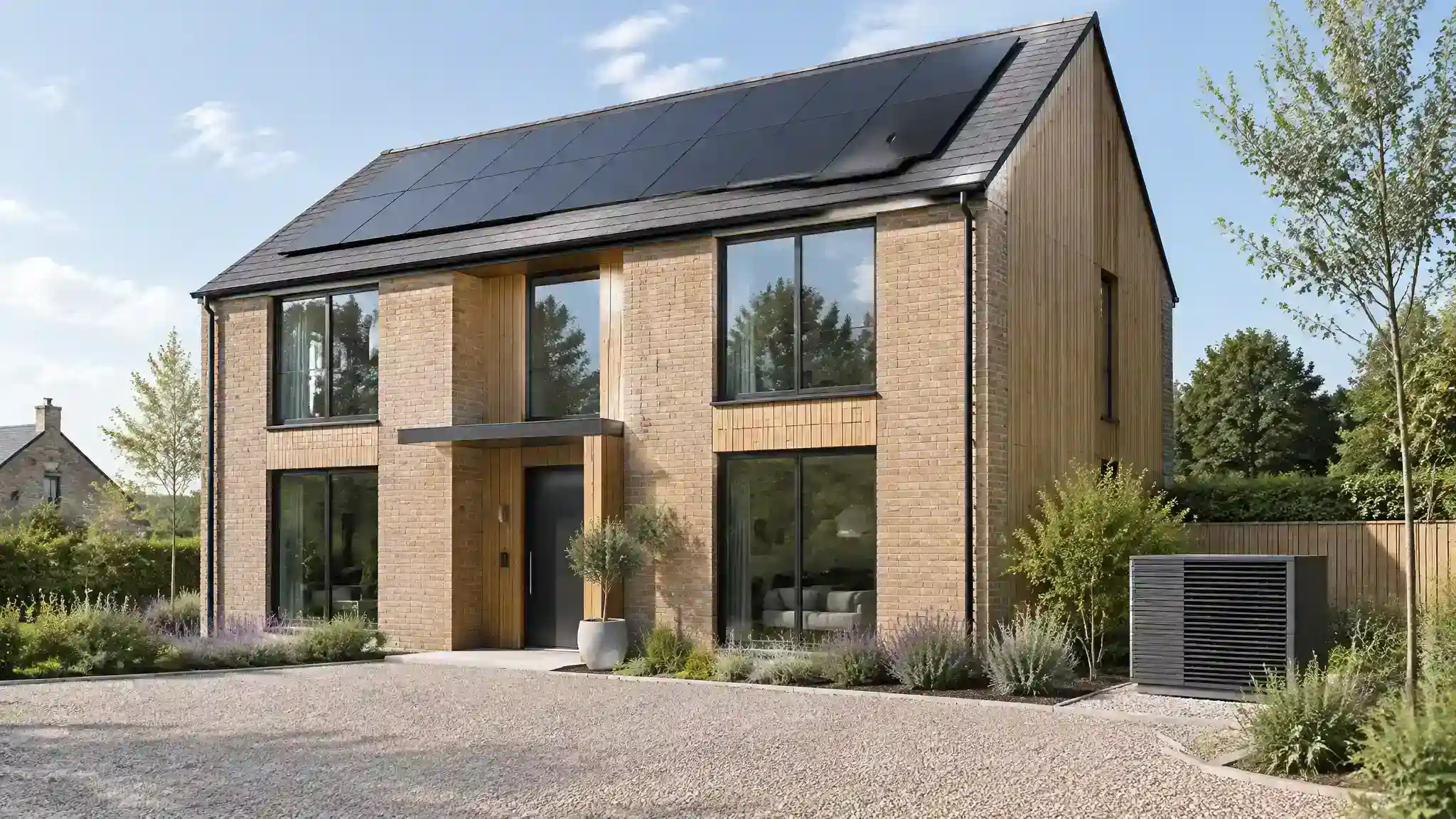
Residential property has long been valued on location, size and condition. Carbon performance is now joining that list. Mortgage lenders are measuring and disclosing the EPC profile of their loan books, pricing green mortgages more keenly for efficient homes, and modelling climate transition risk at the request of regulators. Buyers and their surveyors increasingly treat a gas boiler, poor insulation and a low EPC band as a future retrofit bill, and they deduct that cost from their offer.
The market data points the same way. Analyses by Nationwide, Knight Frank and Rightmove have all found that higher EPC ratings are associated with higher sale prices, with the largest uplifts for homes that move from the bottom bands to C or above. In the private rented sector the pressure is regulatory as well as commercial: minimum energy efficiency standards already restrict letting of the least efficient homes, and the government has proposed raising the bar to EPC C by 2030. For buy-to-let landlords, a low-rated property is steadily becoming a compliance liability.
This changes how electrification should be judged. The usual question, how many years a heat pump takes to pay back through lower bills, understates the case. A high-performance heat pump, rooftop solar and EV charging capacity are better understood as capital protection. They remove the retrofit liability a future buyer or lender would otherwise price in, and they position the home for the heating standards and ratings reforms that are coming.
For homeowners, landlords and institutional investors alike, the logic is the same. Fossil-fuel homes carry a discount that will widen over time; electrified homes carry a premium that is only beginning to be recognised. Acting early secures the equity rather than surrendering it at the point of sale.