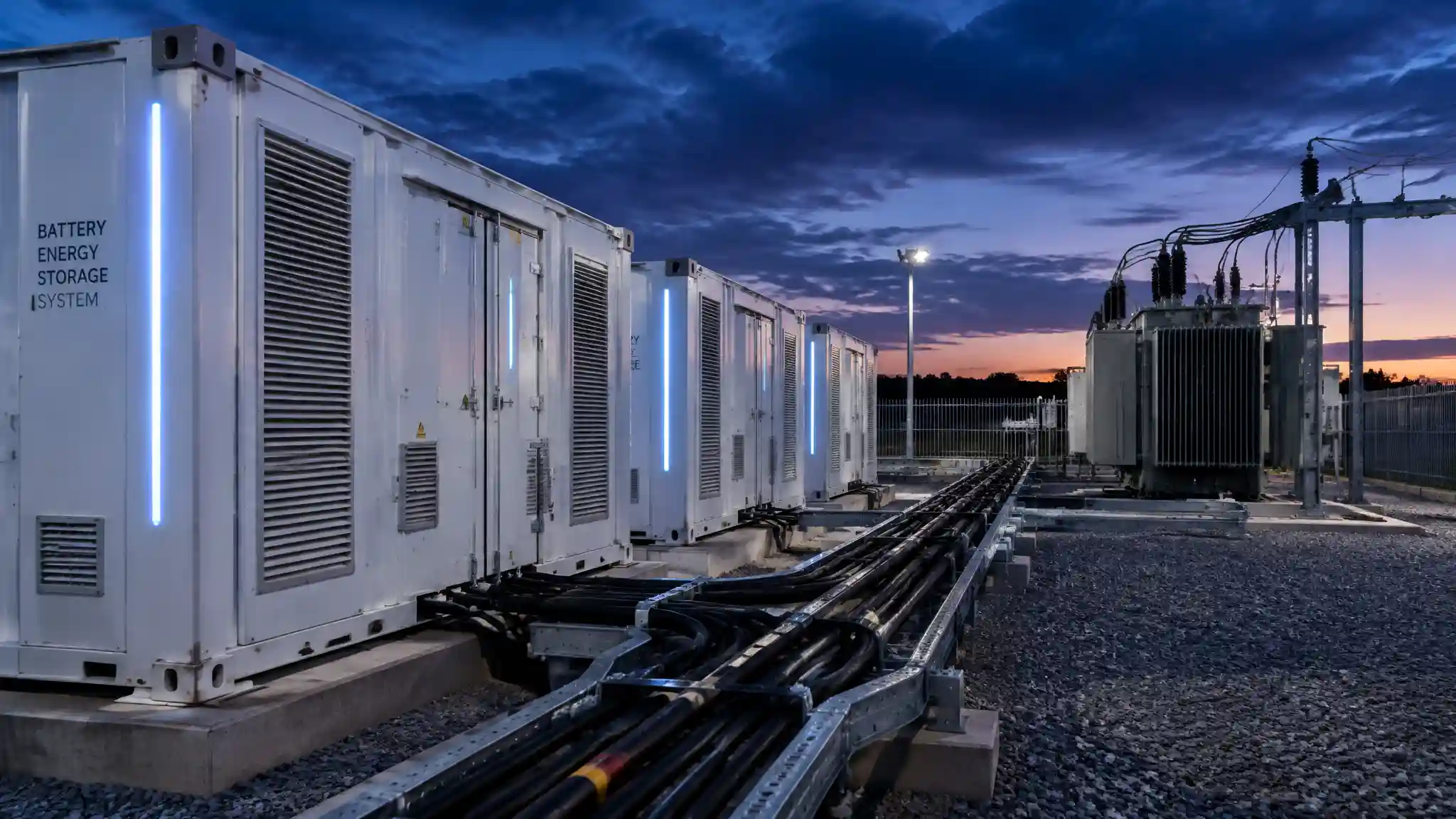
Great Britain's grid connection queue has become one of the most significant constraints on the energy transition. Hundreds of gigawatts of projects are waiting for connection dates, and battery energy storage accounts for a substantial share of that backlog, running to hundreds of gigawatts on its own. A large proportion of those applications will never be built. They are speculative positions held by developers without land rights, planning consent or funding, occupying capacity that viable, investment-ready projects cannot access. The result is administrative gridlock that delays institutional capital deployment and pushes credible schemes into connection dates years, sometimes more than a decade, away.
Ofgem's response is a shift from a first-come, first-served queue to one that prioritises project readiness. Under the reformed regime, connection holders must demonstrate tangible progress against defined use-it-or-lose-it milestones, including secured land rights and timely progression through the planning process. Projects that cannot evidence that progress, or that fall behind agreed milestones, risk losing their queue position and ultimately having their connection agreements terminated, releasing that capacity back to the system.
For institutional investors, the implications cut both ways. Capacity freed from so-called zombie projects should bring forward connection dates for well-capitalised developers with advanced sites, improving the visibility of revenue start dates that underpin storage valuations. At the same time, the reforms raise the bar for early-stage development. Portfolios built on grid positions rather than deliverable projects face write-downs, and connection rights alone will no longer carry a premium in M&A transactions.
The strategic priority for storage developers and energy funds is now diligence on deliverability. Land control, planning strategy and committed funding should be treated as core valuation inputs, not late-stage workstreams. As the queue is cleared, capital will flow to projects that can prove readiness, and the market is likely to consolidate around developers able to meet the new milestones at pace.